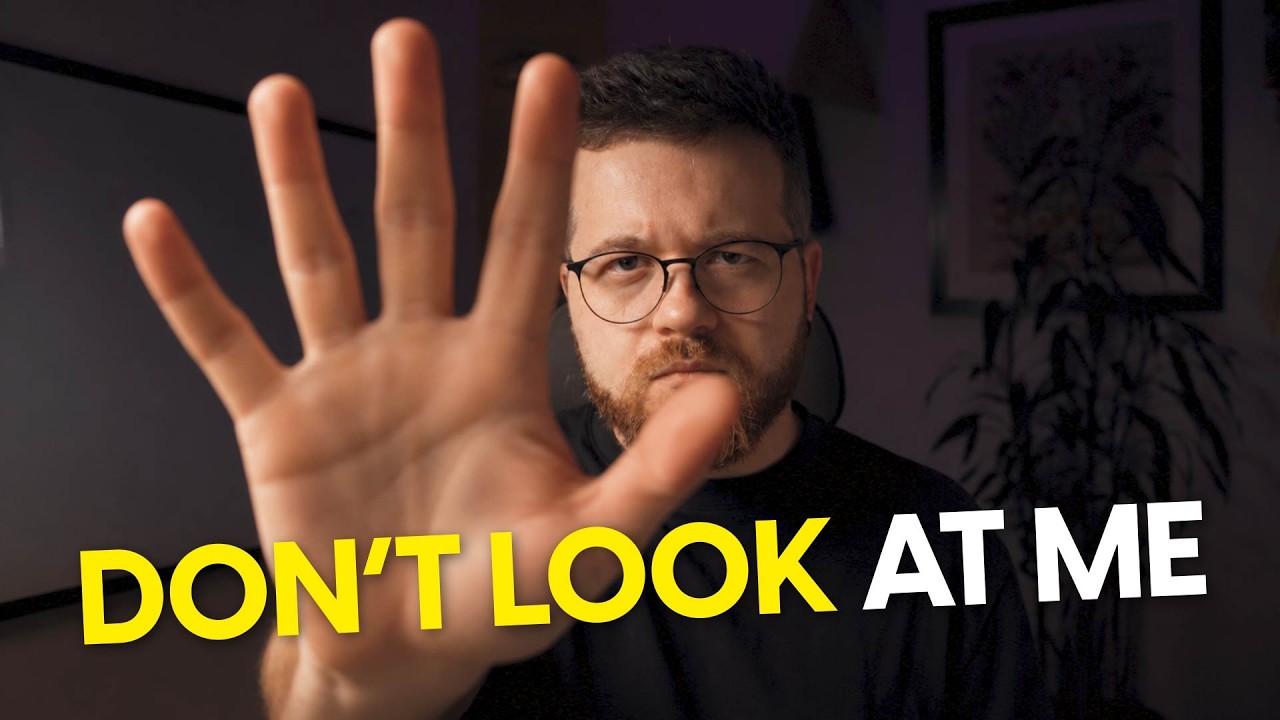
Why you hide when you want to be seen
On wanting to be seen, fearing judgment, and learning not to disappear inside the version of yourself that feels safest.
Essays, notes, and reflections from inside the unfinished work of becoming more honest.
On wanting to be seen, fearing judgment, and learning not to disappear inside the version of yourself that feels safest.
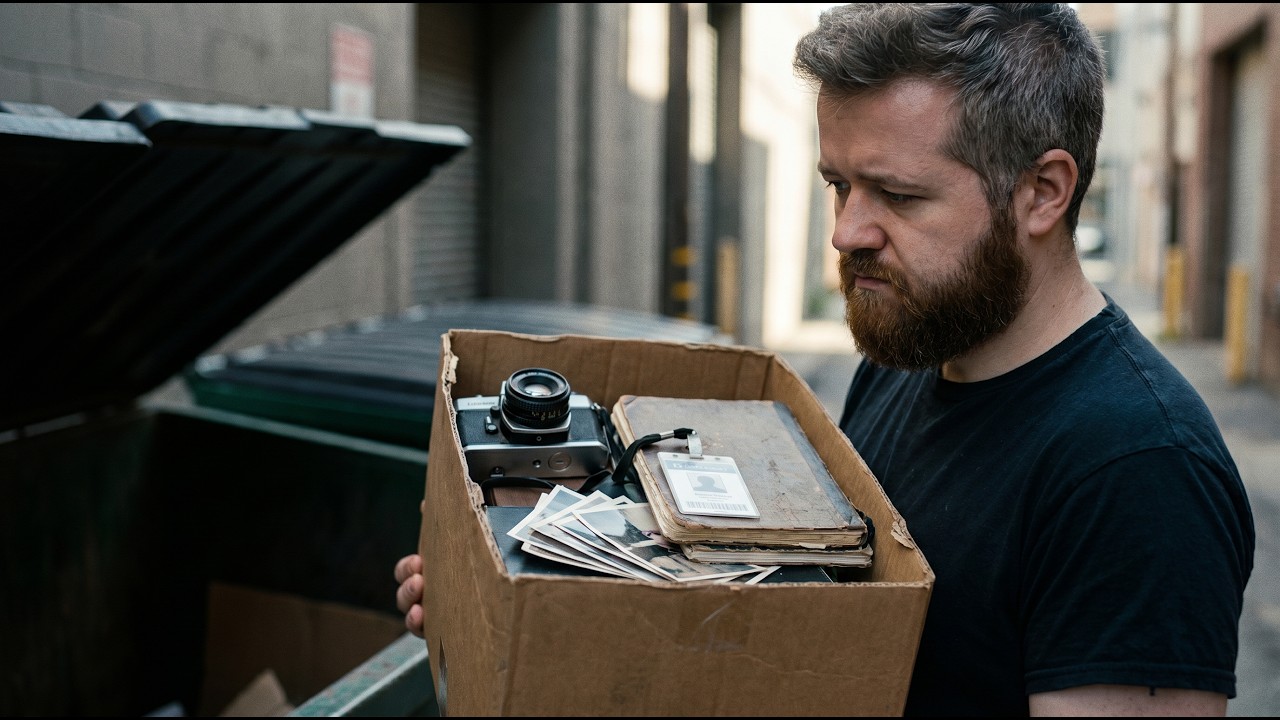
On the years we call wasted, the mud we want to escape, and the quiet refusal to let pain become our name.
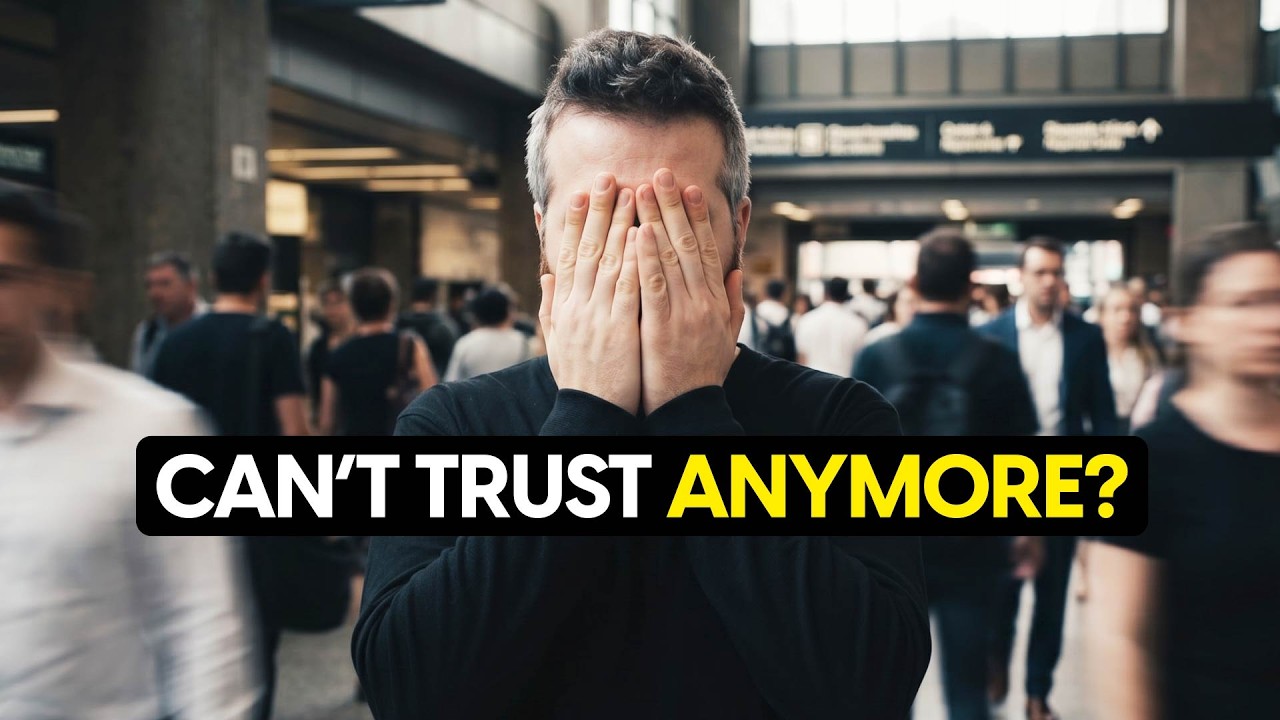
Trust gets harder with age when old disappointment turns protection into a quiet fortress.

Maybe anxiety is not predicting what will happen. Maybe it is replaying what already hurt.

Sometimes fear is not warning us about reality. It is protecting us from an old memory.

Motivation can feel like movement, but sometimes it gives us the emotion of action while helping us avoid the risk of actually beginning.
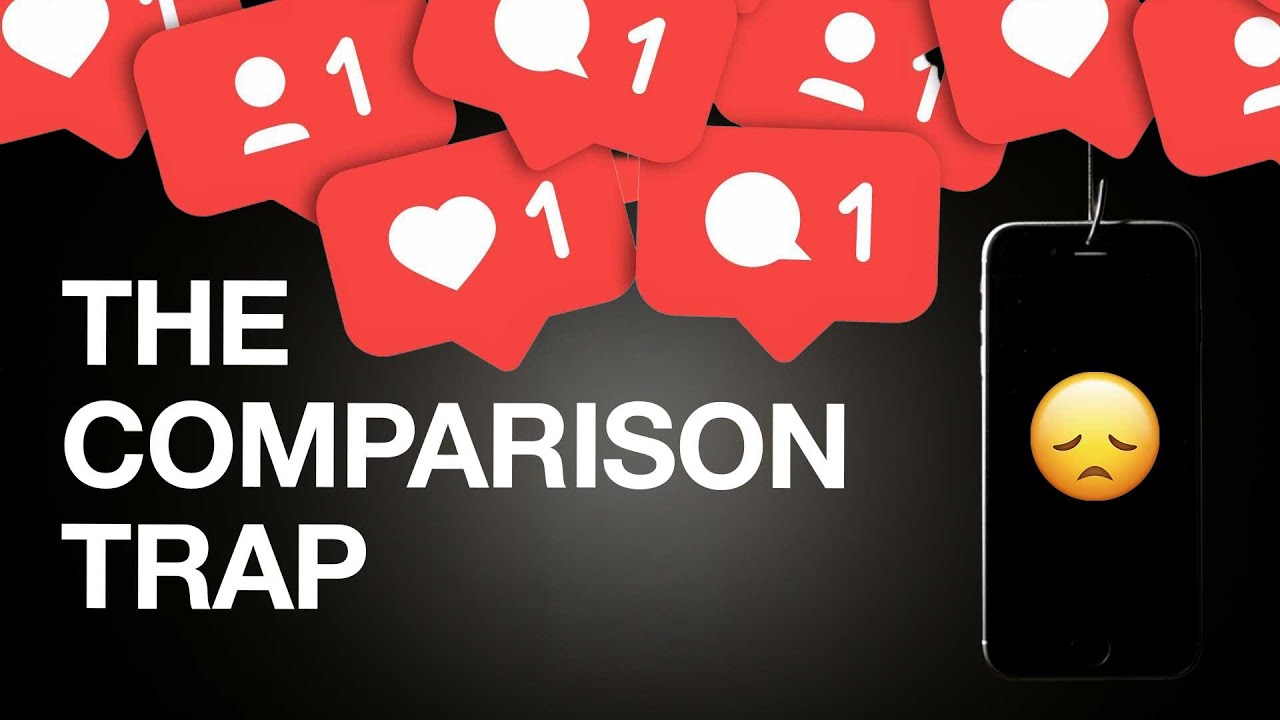
Social media makes it easy to compare someone else's stage with your own unfinished backstage.

ADHD became easier to understand when I stopped treating it as a productivity problem.

Boredom is uncomfortable because it removes the noise and leaves desire harder to ignore.

Desire changes what we notice, even when it does not promise how life will turn out.

Pain can become protection, and protection can slowly become the whole identity.

Not starting can protect the fantasy of being good before reality has a chance to answer.

ADHD medication showed what was possible, but it did not answer what kind of life would actually fit.

Happiness becomes unreachable when every small permission to feel okay has to wait for a solved life.

Rest does not always feel like rest when attention keeps treating the unfinished task as danger.

Some relationships carry real history and still leave too little room for the person you are becoming.
Some dreams stay in the background for years, even when we learn to speak about them quietly.

External approval can become a scoreboard, but it is a terrible place to put self-worth.
A late ADHD diagnosis did not create a new identity. It gave old experiences a more accurate language.

Old protection systems can keep shaping adult life long after the original danger is gone.
Small choices can feel heavy when every option starts carrying an imagined future.

The most useful ADHD tools are not moral achievements. They make the next ten minutes possible.
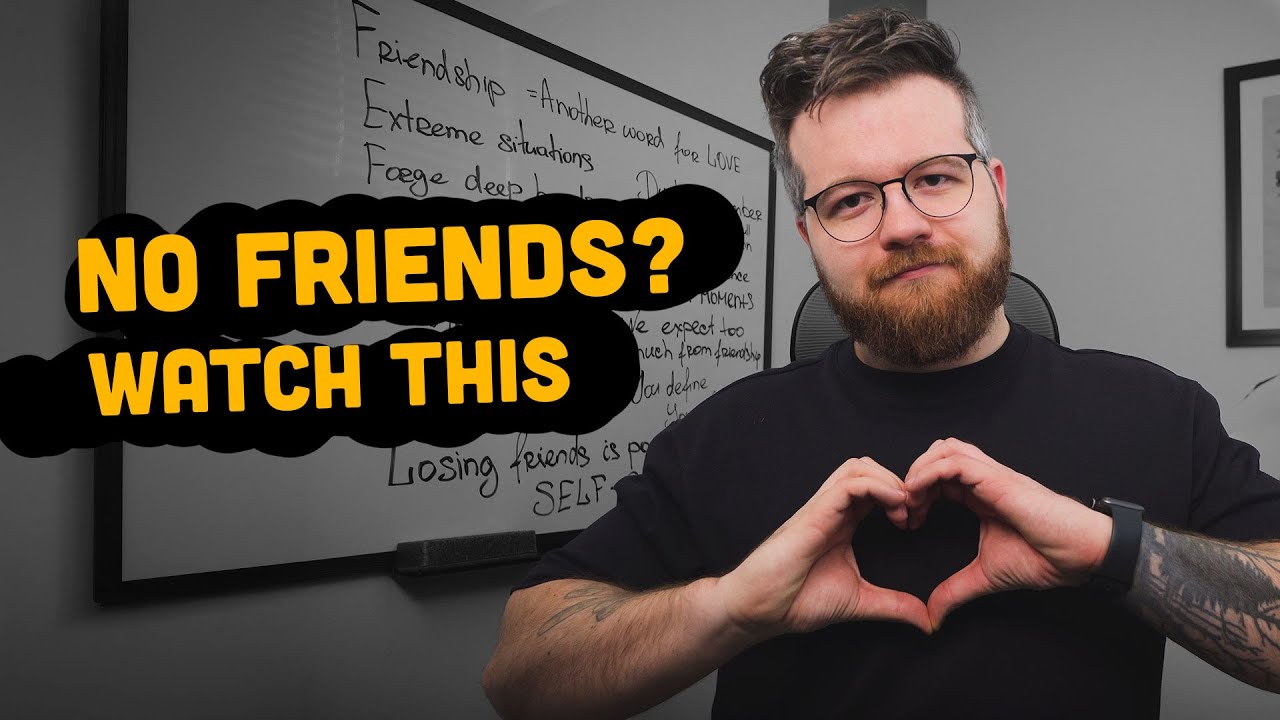
Adult friendship gets confusing when distance grows quietly and nobody knows what the relationship still is.
Judgment can become a mirror for the shame, desire, and unfinished parts we have not accepted.

Motivation can give a clean emotional high without building the quieter structure that change needs.
Self-knowledge can become self-defense when we only keep the stories that protect us.

Meditation did not fix the noise, but it created a little more space around it.
Perfectionism can look like care for the work while quietly protecting us from being seen.

Worry can feel like preparation, but often it is old stress rehearsing what could go wrong.

Stuttering is not only a speech problem when it starts deciding where you feel allowed to go.